Get 10% OFF on orders above Rs. 1,999.00
Rs. 200.00
FREE SHIPPING
Rs. 1,999.00
15% OFF

Get 10% OFF on orders above Rs. 1,999.00

Search “best matcha powder in India” and you’ll find twenty listicles that were clearly written by someone who has never whisked a bowl of matcha in their life. Same recycled points, same affiliate links, no actual guidance.
So let’s do this differently. We’re a matcha brand, and full disclosure, we’ll mention ourselves once. You can judge us on the same criteria as everyone else. But most of this post is about teaching you how to evaluate any matcha, because once you know what quality looks like, nobody can sell you dusty green powder at premium prices again.
First: Why Most Matcha in India Disappoints
Matcha exploded in India over the last few years. Cafés in Delhi, Mumbai, and Bangalore now have full matcha menus, and Instagram did the rest. Demand shot up faster than quality supply.
The result: a flood of low-grade powder, often culinary grade or worse, sold in pretty packaging at ceremonial-grade prices. People try it, find it bitter and muddy, and conclude they hate matcha. They don’t. They hate bad matcha.
Here’s how to tell the difference.
The 5 Signs of Genuinely Good Matcha
1. Colour: vibrant, almost electric green. This is the fastest test. High-quality matcha is a bright, vivid spring green. The colour comes from chlorophyll, boosted by shade-growing the tea plants before harvest. Yellowish, olive, or dull khaki-green powder means older leaves, sun-grown tea, or stale stock. If a brand’s product photos avoid showing the actual powder, ask yourself why.
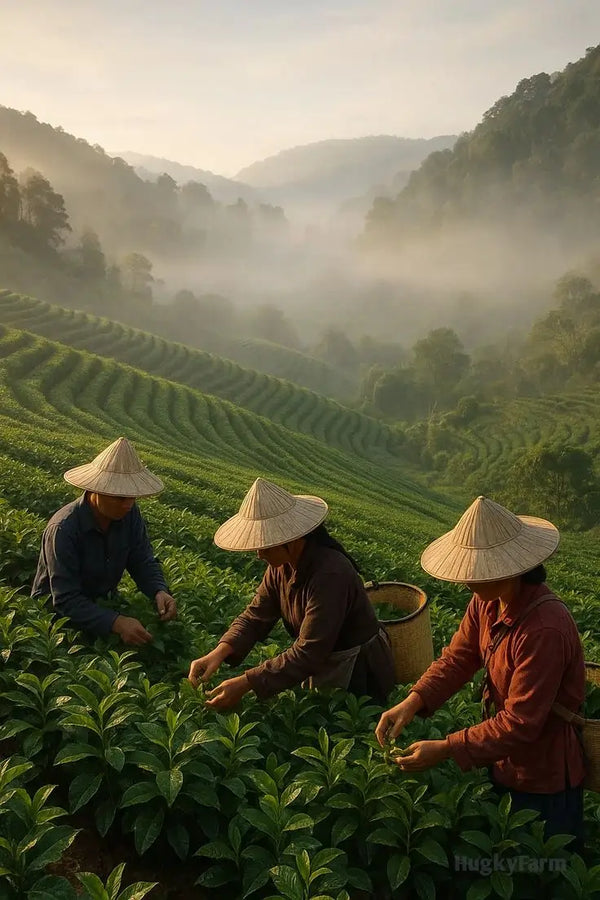
2. Origin: it should be specific. The best matcha comes from Japan. Regions like Uji (Kyoto), Nishio (Aichi), Kagoshima, and Shizuoka have centuries of cultivation expertise. “Product of Japan” with a named region is a good sign. Vague labels like “premium green tea powder” with no origin at all are a red flag. (Chinese-grown matcha exists and some is decent, but the vast majority of cheap, bitter matcha in the Indian market comes from unspecified sources.)
3. Texture: silky, not gritty. Real matcha is stone-ground to 5 to 10 microns, finer than baby powder. Rub a pinch between your fingers: it should feel silky and almost disappear into your skin. Gritty or sandy texture means machine-crushed leaves, not true matcha.
4. Taste: umami first, bitterness last. Good matcha tastes grassy, slightly sweet, with a savoury umami depth and only mild, pleasant bitterness at the end. If your first sip makes you wince, the quality is low, the water was boiling, or both.
5. Freshness and packaging. Matcha oxidises fast. It should come in an airtight, opaque tin or resealable foil pouch, never a clear jar (light kills it). Check for a recent production date. In India’s heat and humidity, packaging matters even more than it does elsewhere.
Understanding Grades (Without the Marketing Nonsense)
You’ll see two main terms.
Important caveat: “ceremonial grade” is not a regulated term. Anyone can print it on a label, and in India, plenty do. Which is exactly why the five signs above matter more than the word on the packet.
Red Flags When Buying Matcha in India

So, Which Matcha Should You Buy?
Here’s where we include ourselves. You were warned.
At [Your Brand], we source directly from Japanese farms, ship in small batches so stock never sits around going stale, and pack in airtight, light-proof tins built for Indian conditions. Our powder passes every test above (the colour, the texture, the umami), and we openly share origin and harvest details because we think you should demand that from anyone selling you matcha. If our matcha doesn’t taste dramatically better than what you’ve tried before, tell us.
Beyond us, honest advice: a few imported Japanese brands available in India also make genuinely good matcha, and if you’re travelling to Japan, buying from Uji directly is a wonderful experience. What we’d steer you away from is the sea of unbranded, origin-less green powder on marketplaces. That’s where most of the disappointment lives.
Quick Buyer’s Checklist
Before you order any matcha in India, check:
If a product ticks all six, you’re very unlikely to be disappointed, whoever makes it.
The Bottom Line
The “best matcha powder in India” isn’t one universal answer. It’s the freshest, most transparent, genuinely Japanese matcha you can get at a price you’re comfortable drinking daily. Now you know exactly how to spot it.
And if your first stop is us, well, we won’t pretend to be upset about that.